
For outdoor lovers the world over, day hiking is at the top of their lists for preferred ways to spend the day. Whether you’re a weekend warrior or serious backpacker, there’s something to be said for taking time out from contemporary life’s ultra-fast pace to get back in touch with nature.
Heading out to the trails for the day brings with it many implicit benefits. Of course, there is the obvious fact that day hiking is a fantastic workout and quite enjoyable for nature enthusiasts. But it can also provide you the opportunity to enjoy the outdoors with your family or significant other. Whether you’re trying to find some time for just yourself and the outdoors, or attempting to make time for the most important relationships in your life, day hiking is a great way to achieve either.
It’s important to note that a good day hike requires a few necessities. Without them, a fun day in the outdoors can quickly take a turn for the miserable. Below are the key essentials that all day hikers – from beginners to seasoned veterans – should be familiar with.
- Proper planning is important. Obtain trail maps, guidebooks, trail distance, estimated time required and any other information before you leave on a hike.
- Keep trail maps and guidebooks in a waterproof ziplock bag.
- Consider using a GPS.
- Check weather conditions and forecast.
- Consider the ability level of everyone in your group, when choosing a hike.
- It’s very important to tell someone of your plans and when you expect to return. In an emergency, this could help with the rescue. Check in with them when you get back.
- Never hike alone. Always go with a friend.
- Don’t pack to heavy.Keep your pack weight as light as possible.
- Take plenty of water – 2 or 3 quarts per person. Staying hydrated will help maintain your energy level.
- The temperature is always cooler in the mountains. Plan and dress accordingly. Dress in layers.
- Start early so that you have plenty of time to enjoy your hike and the destination. Plan to head back so you finish your hike well before dark.
- Hike only as fast as the slowest member of your group.
- Pace yourself. Don’t hike too quickly. Save your energy.
- Stay on trails unless you have excellent navigational skills.
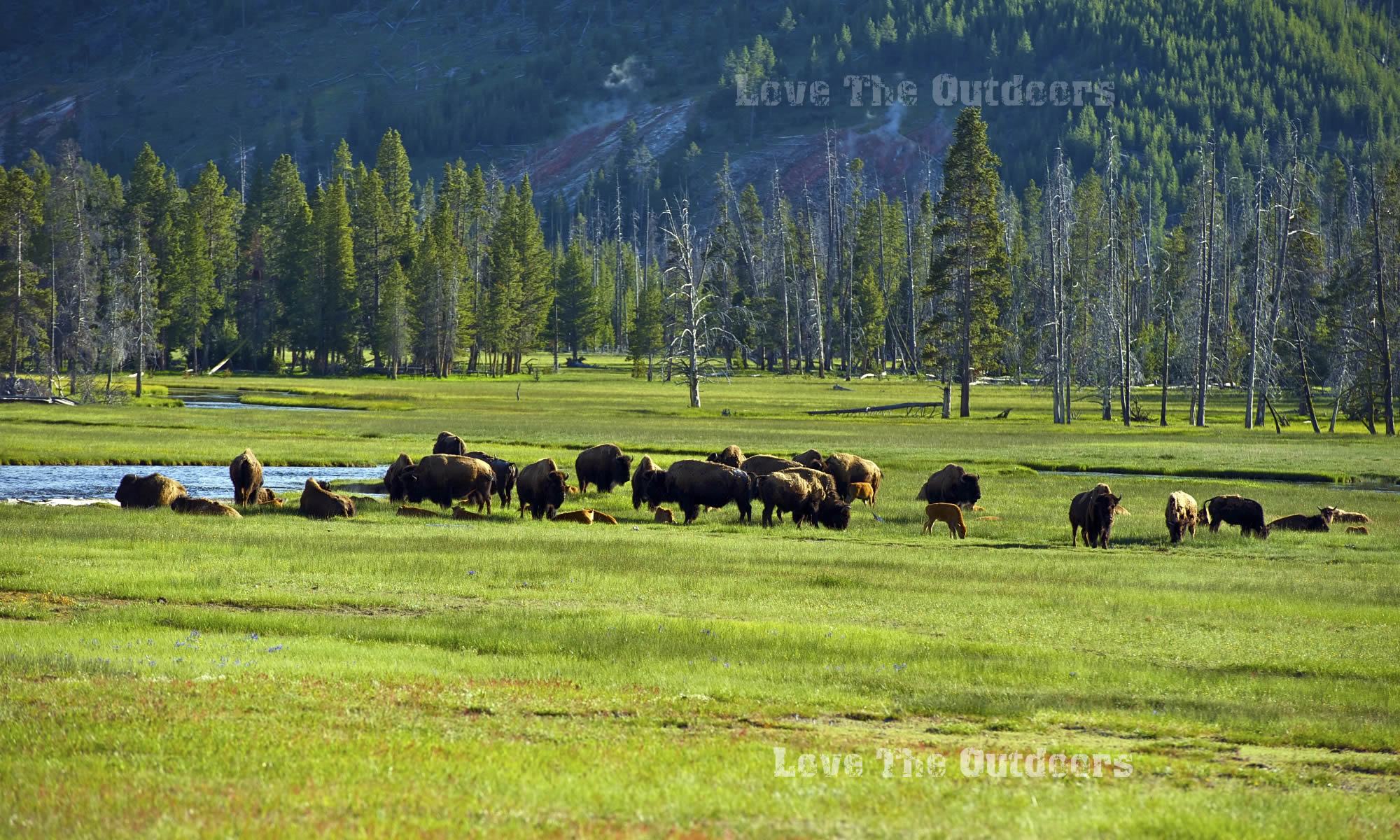
- Never approach wild animals. They may look cute and harmless but they are very unpredictable and can be very territorial and protective. Always be alert and aware of your surroundings. In most cases, the animals are more afraid of us and will run away. Do not attempt to feed wild animals. Most injuries occur when people try to feed them.
- Look out for snakes, spiders and other critters. Watch where you are walking, be careful when picking up sticks or rocks and look around before taking a seat. Again, snakes are usually more afraid of us, but if they feel threatened or if you make sudden movements they may strike. Stay calm and slowly move away from them.
- Be careful where you are walking. Watch out for low branches and loose rocks. Take it slow through mud and water and be careful of loose leaves on the trail. Stay away from steep cliffs and other drop off areas. Look out for brush with thorns and learn to identify poisonous plants.
- Keep track of your progress on the map so that you know where you are at all times.
- Take turns leading and following trail markers. Share decisions.
- Pack high energy snacks like granola, energy or fruit bars, gorp trail mixes, fruit, candy, beef jerky, bagels, or pita bread, etc.
- Don’t drink soda or alcohol when hiking. They will dehydrate you.
- Use a purification system for water from a natural resource.
- For blisters or hot spots use moleskin or bandages immediately to stop further damage and to relieve pain. Keep your feet dry – change socks often.
- Hiking sticks or poles may help make your trip a little easier by giving you some stability on wet trails, and reducing strain on your legs when going up or down slopes.
- Be aware of your increased exposure to ticks when hiking in the outdoors.
- Protect yourself against other insects such as bees, ants, mosquitoes, flies, etc. Not only can they be annoying, but they can cause quite a bit of pain and discomfort. Many people have severe allergic reactions to their bites and need to carry necessary medical supplies or seek medical attention. Again be aware of your surroundings. Refer to Keeping the Bugs Away for more details.
- Bring a whistle on hikes. Three short whistles mean you are in trouble and need assistance.
- Learn to identify the many things you will discover as you hike.
Visit our Camp Store
Share your experience with others – Submit your Tips and Advice