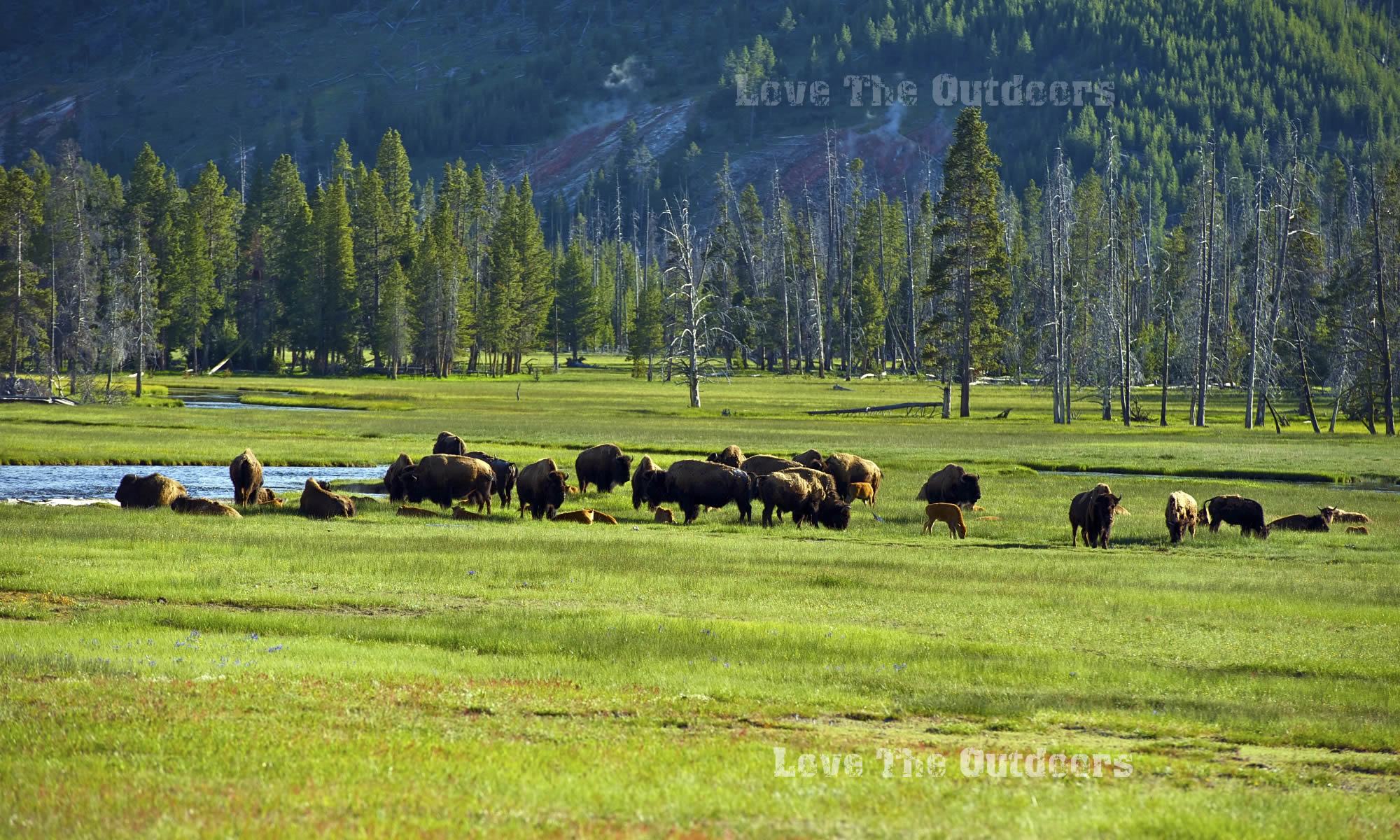

Still Water Exposure
Terrestrial insects thrive in the shoreline vegetation.
Grassy banks harbor foraging fish.
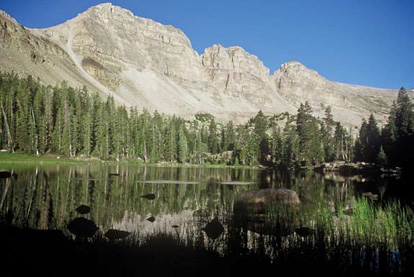
Shoreline vegetation furnishes both shade and cover.
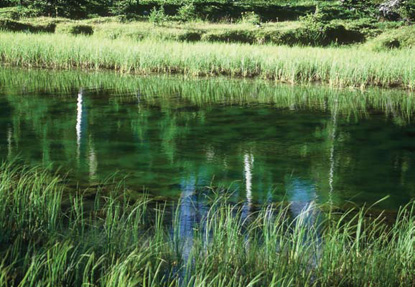
Submerged plants furnish prime habitat.
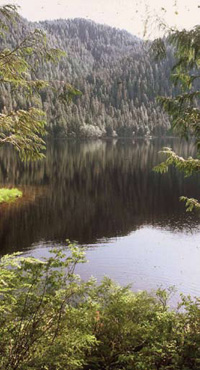
Drop-offs shelter fish from bird predation.
Islands and shoals provide added littoral zones.
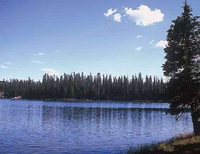
A lake’s depths can be void of fish life.
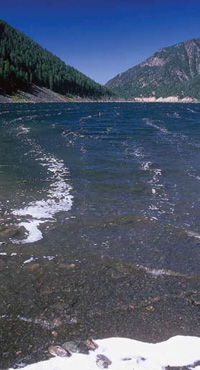
Wind drift collects insects in foam lines.
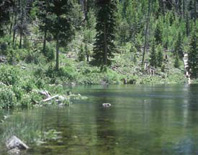
Springs furnish constant temperatures and oxygen.
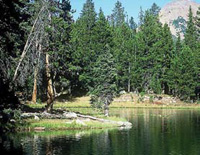
Land points concentrate foraging fish.
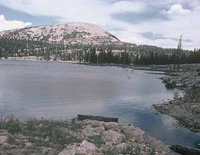
Outlets concentrate food.
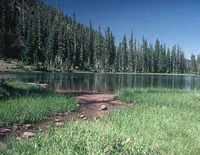
Inlets can provide spawning habitat.
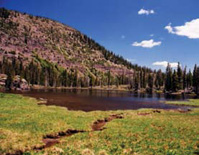
Inlets erode winding channels through a lake bottom.
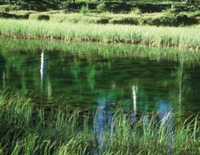
Streams entering a lake provide a change in both temperature and
oxygen.
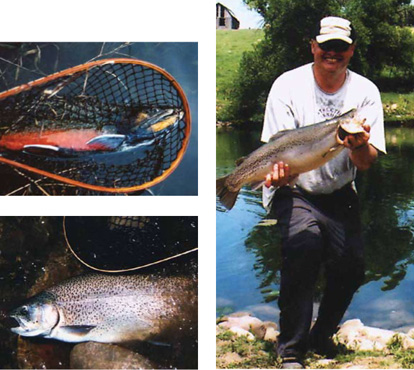
Lake fish are heavier than stream fish.
Lake Characteristics
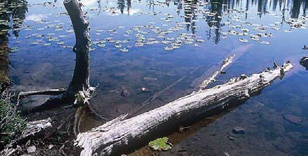
Downed trees provide structure for fish to hide.
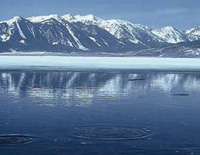
Fish cruise the ice shelf in safety.
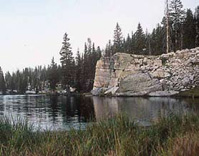
Cliffs gather windblown foods.
Shallows
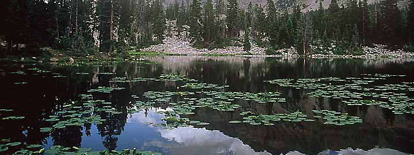
Aquatic vegetation grows insects.
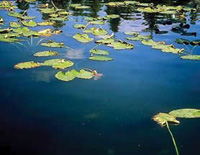
Lilypads provide cover for daytime feeding fish.
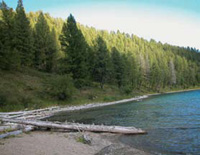
Shallows provide both food and oxygen.
Lake Exposure
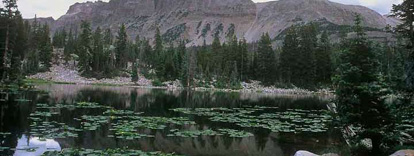
Alpine lake
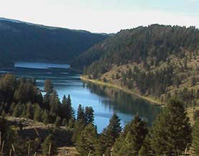
Natural lake
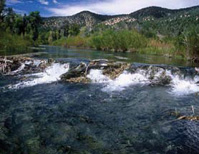
Beaver pond
Perigree Learning, LLC.
© 2026 The Gale Group, Inc. All rights reserved.
© 2026 Perigee Learning LLC. All rights reserved.
LoveTheOutdoors.com is owned and operated by Advameg, Inc. © 2026 Advameg, Inc.
© 2026 The Gale Group, Inc. All rights reserved.
© 2026 Perigee Learning LLC. All rights reserved.
LoveTheOutdoors.com is owned and operated by Advameg, Inc. © 2026 Advameg, Inc.
Other books you might like:
Camping Adventures • Dutch Oven Cooking • Sports Knots
Fly Tying • Freshwater Fishing • Fly Fishing
Camping Adventures • Dutch Oven Cooking • Sports Knots
Fly Tying • Freshwater Fishing • Fly Fishing